Mbappé’s Defensive Numbers Raise Questions Despite His Attacking Brilliance
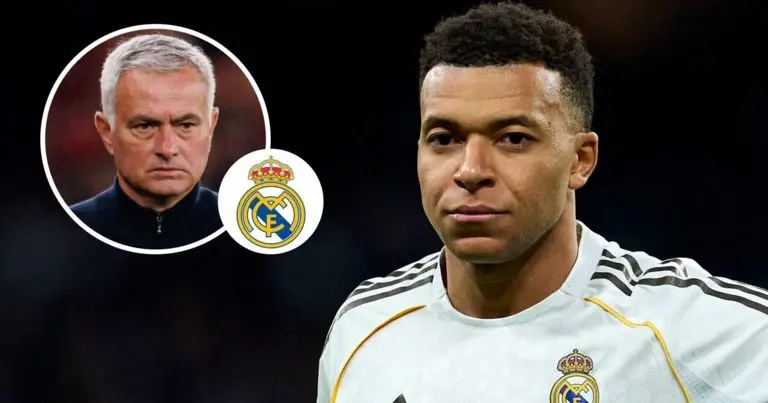
MADRID — Kylian Mbappé remains one of football’s most devastating attacking players, but newly highlighted performance data has reignited debate over a less celebrated aspect of his game: his defensive contribution.
The French superstar has built his reputation on goals, pace, and match-winning moments. Yet recent statistics suggest that his involvement without the ball ranks among the lowest recorded across top-level professional football.
According to data compiled by Opta, Mbappé’s defensive output per 90 minutes during the past season placed him near the bottom of a database covering more than 6,000 players across 20 major leagues worldwide.
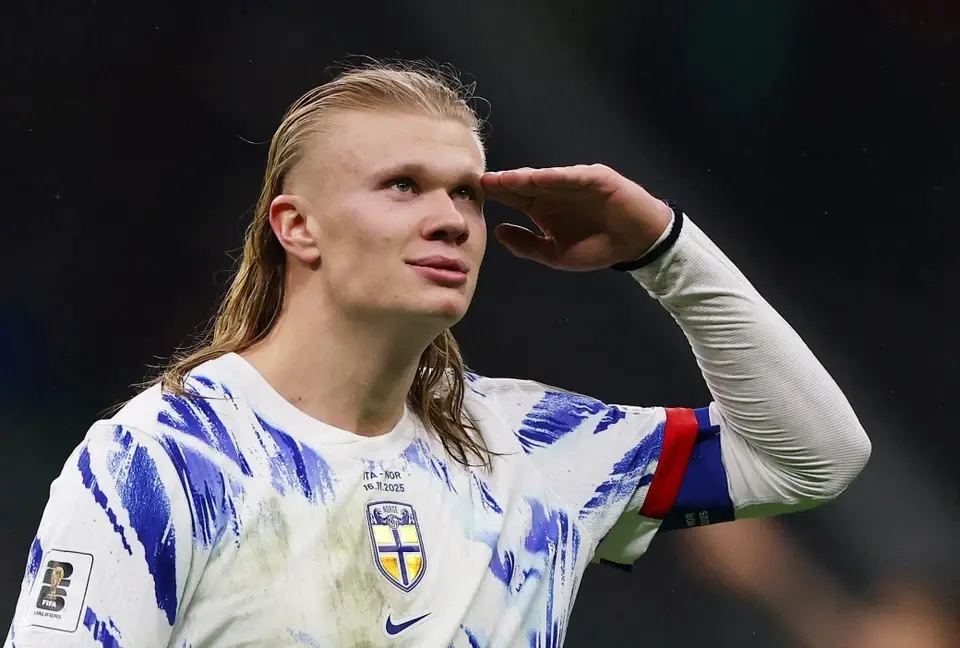
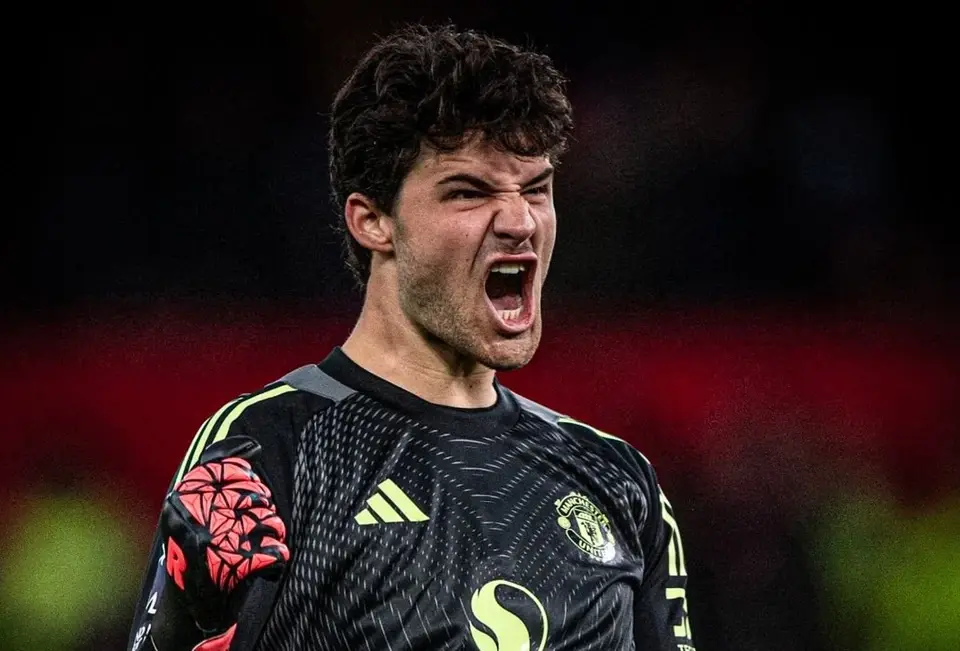
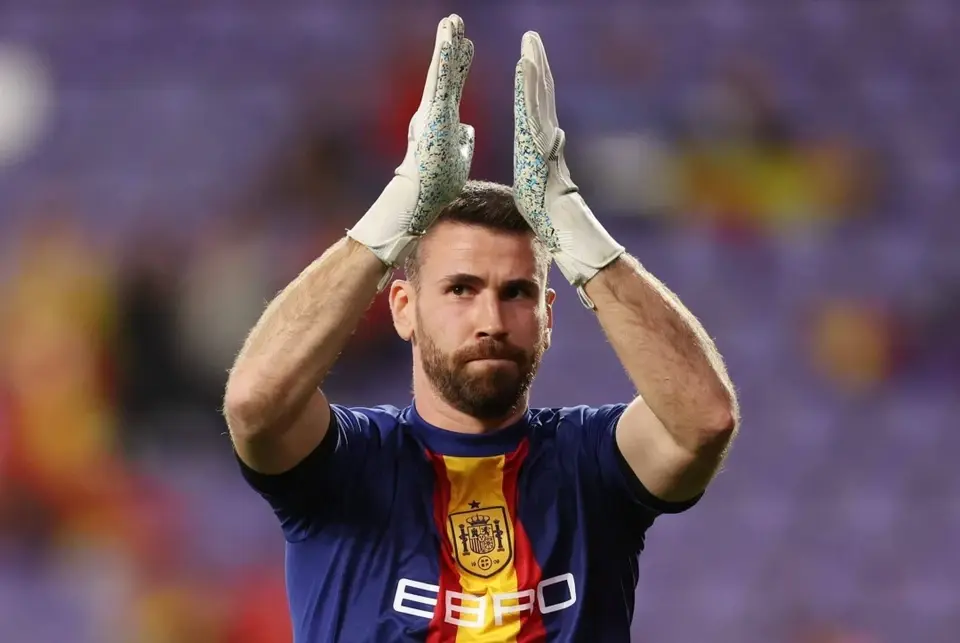
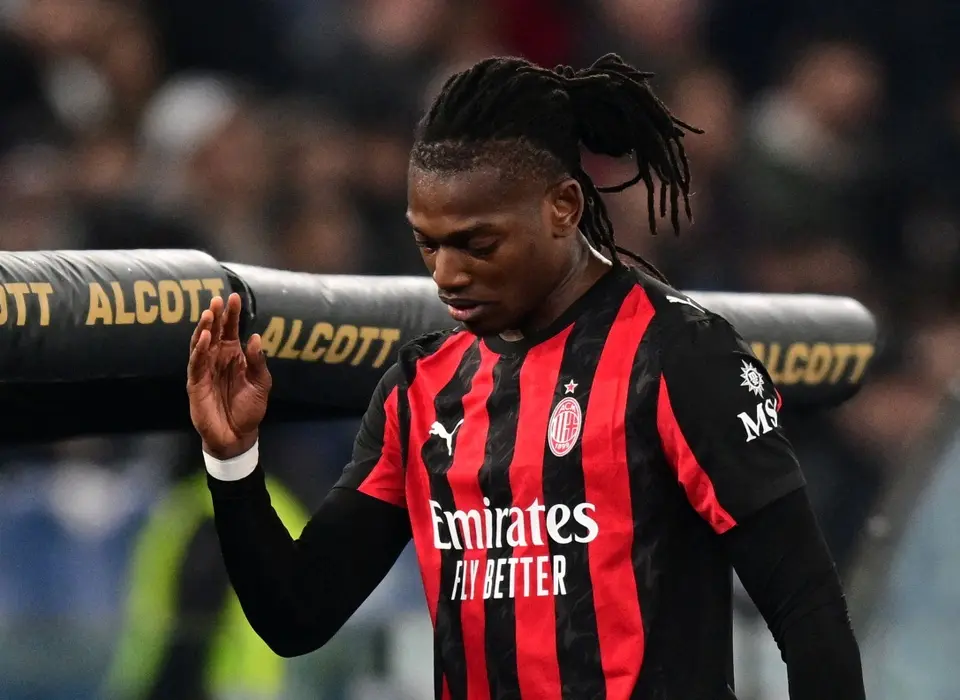
The figures indicate that nearly every player included in the analysis posted stronger defensive metrics than the Real Madrid forward. The comparison even extends to goalkeepers, whose responsibilities on the pitch differ significantly from those of outfield players.
The statistics reinforce a perception that has followed Mbappé throughout much of his career. Critics have frequently pointed to his limited pressing, reduced defensive tracking, and reluctance to engage in ball recovery situations when possession is lost. Similar discussions have emerged during his time with both Real Madrid and the French national team.
However, the numbers also need to be viewed within a broader tactical context. Mbappé is often deployed as the highest player in the attacking structure, a role designed to maximize his explosiveness in transition and preserve energy for decisive moments in the final third.
As a result, his defensive responsibilities are often reduced as part of a deliberate strategic approach rather than a simple lack of effort. Coaches have frequently prioritized keeping him in advanced positions where his speed and finishing ability can have the greatest impact.
Even so, the debate remains relevant in modern football, where collective pressing and defensive work rate are increasingly considered essential qualities for elite teams. The balance between individual freedom and team structure continues to be a recurring topic whenever Mbappé’s performances are assessed.
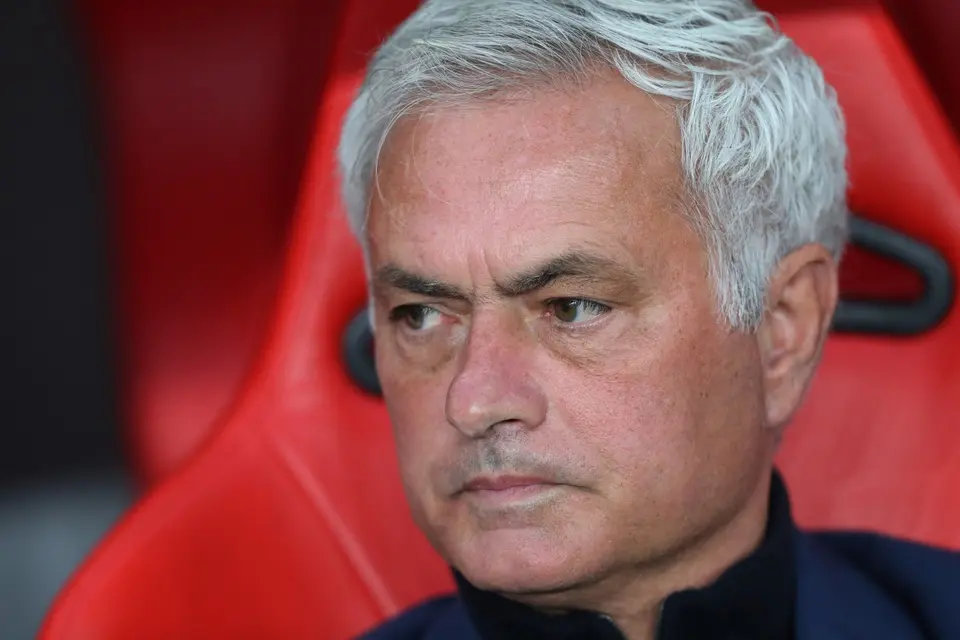
The discussion has gained further attention as Real Madrid prepare for a new chapter under José Mourinho. The Portuguese manager has long been associated with tactical discipline and a strong emphasis on collective defensive organization, expectations that apply to players across all positions.
While Mbappé’s status as one of the world’s premier attacking talents is beyond question, analysts believe that improving his off-ball contribution could elevate his game even further and strengthen his overall influence within a team system.
His extraordinary talent remains undeniable. Yet the latest data serves as a reminder that even football’s biggest stars can have areas of their game that continue to attract scrutiny and debate.