The Death of the “Most Handsome Team” Debate: How World Cup 2026 Reflects a Shift in Fan Culture
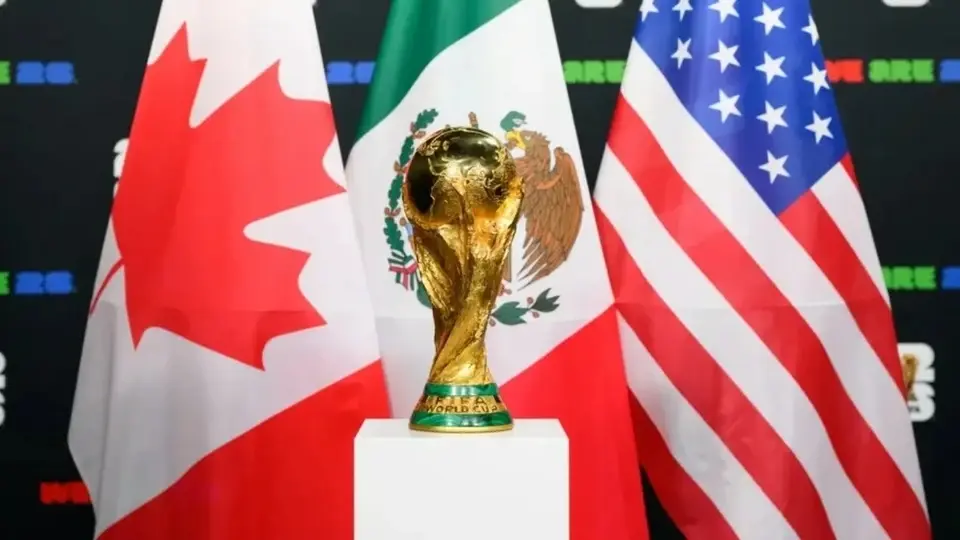
NEW YORK — As the world counts down to World Cup 2026, a familiar pre-tournament staple is noticeably absent from sports pages and social media feeds. For decades, alongside deep tactical analysis, media outlets and fans routinely published rankings debating the “most handsome team” of the tournament. Today, that conversation has almost entirely vanished, signaling a profound evolution in how modern audiences consume the beautiful game.
The Absence of Italy: A Cultural Vacuum
For many, the most immediate reason behind this shift is the devastating absence of the Italian national team. For generations, the Azzurri were the undisputed global benchmarks for masculine elegance. Italian players did not just play football; they embodied a distinct Mediterranean charm, flawless style, and a romanticized aura.
From the 1990s through the early 2000s, Italy’s squad read like a list of runway models. Fans witnessed Roberto Baggio’s iconic ponytail, Paolo Maldini’s classical Roman features, Alessandro Del Piero’s timeless elegance, Filippo Inzaghi’s rugged charm, and the sheer masculinity of Fabio Cannavaro and Alessandro Nesta.
Even today, when querying advanced AI tools like ChatGPT or Gemini about the most handsome teams in football history, Italy remains the top recommendation. Decades of internet data have permanently linked Italian football with aesthetic appeal.
Unfortunately, that era is now a distant memory. Following their failure to qualify for the 2018 and 2022 editions, Italy has once again missed out on World Cup 2026—marking a historic and tragic hat-trick of absences from the world’s biggest stage. The golden generation that lifted the trophy in 2006 are now in their 40s and 50s. While Italy’s current crop of talent features notable players, they lack the massive pop-culture appeal of their predecessors. Without the sport’s ultimate style icons, the debate has naturally lost its heartbeat.
Performance Over Pop Culture: The Rise of the Pragmatic Fan
However, Italy’s absence is only part of a larger, systemic shift within the entertainment industry. During the late 20th and early 21st centuries, the World Cup was one of the few global events capable of capturing absolute media dominance for weeks. This gave journalists ample space to explore off-pitch narratives, from hairstyles and fashion choices to the physical appearance of the players. For many casual viewers, these superstars were a gateway into the sport.
Today, the landscape is unrecognizable. The explosion of the internet, social media, and digital streaming platforms creates thousands of new idols daily. Movie stars, K-pop idols, influencers, and digital creators constantly compete for public attention. In this hyper-saturated market, footballers are no longer the default pop-culture heartthrobs.
More importantly, modern football fans look at the game through a highly pragmatic lens. The current generation of viewers prioritizes expected goals (xG), assists, advanced metrics, physical speed, and market transfer values over a player’s physical appearance.
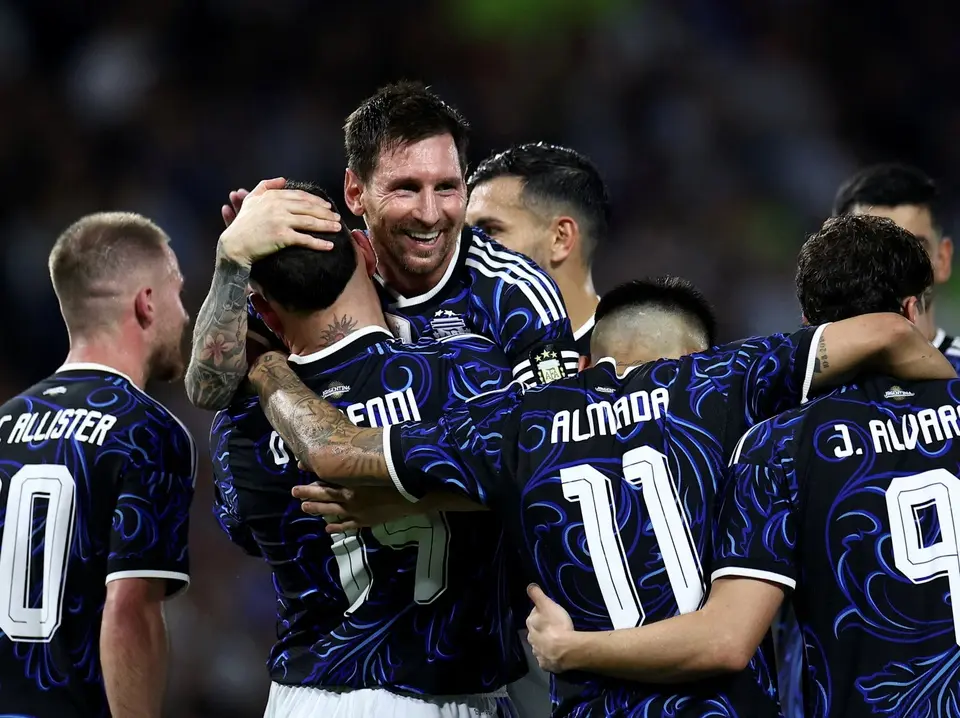
This pragmatic shift explains why icons like Lionel Messi and Cristiano Ronaldo command the largest fan bases in human history, despite neither fitting the classical, cinematic “nam thần” (male god) archetype of Maldini or Nesta. Messi’s global appeal lies in his pure, unadulterated genius and his trophy cabinet. Ronaldo conquered the world through sheer work ethic, an insatiable desire to win, and a clinical goal-scoring record. Ultimate success on the pitch has proven to be far more seductive than physical looks.
A New Era for the Beautiful Game
As a result, the narrative surrounding World Cup 2026 is strictly business. The headlines are dominated by the tactical prospects of Spain, France, and England, or whether Messi and Ronaldo can orchestrate one final moment of magic.
Modern football is now judged almost exclusively by efficiency, statistics, and silverware. For the first time in decades, the World Cup will kick off without a single team capable of inheriting Italy’s unofficial title as the most handsome squad on Earth—and it seems the world is perfectly fine with that.